


Handheld Pulse Oximeter: The Complete Guide to Portable Vital Sign Monitoring for Modern Healthcare
In today's healthcare environment, clinicians are expected to make faster decisions while delivering safer, more personalized patient care. Whether in emergency departments, hospital wards, outpatient clinics, or home healthcare settings, reliable access to vital signs plays a critical role in identifying patient deterioration and supporting timely clinical intervention.
Portable monitoring technology has become increasingly important as healthcare moves beyond traditional bedside monitoring. Modern handheld pulse oximeters are no longer designed to measure oxygen saturation alone—they now provide multiple physiological parameters in a single compact device, enabling healthcare professionals to monitor patients more efficiently across a wide range of clinical environments.
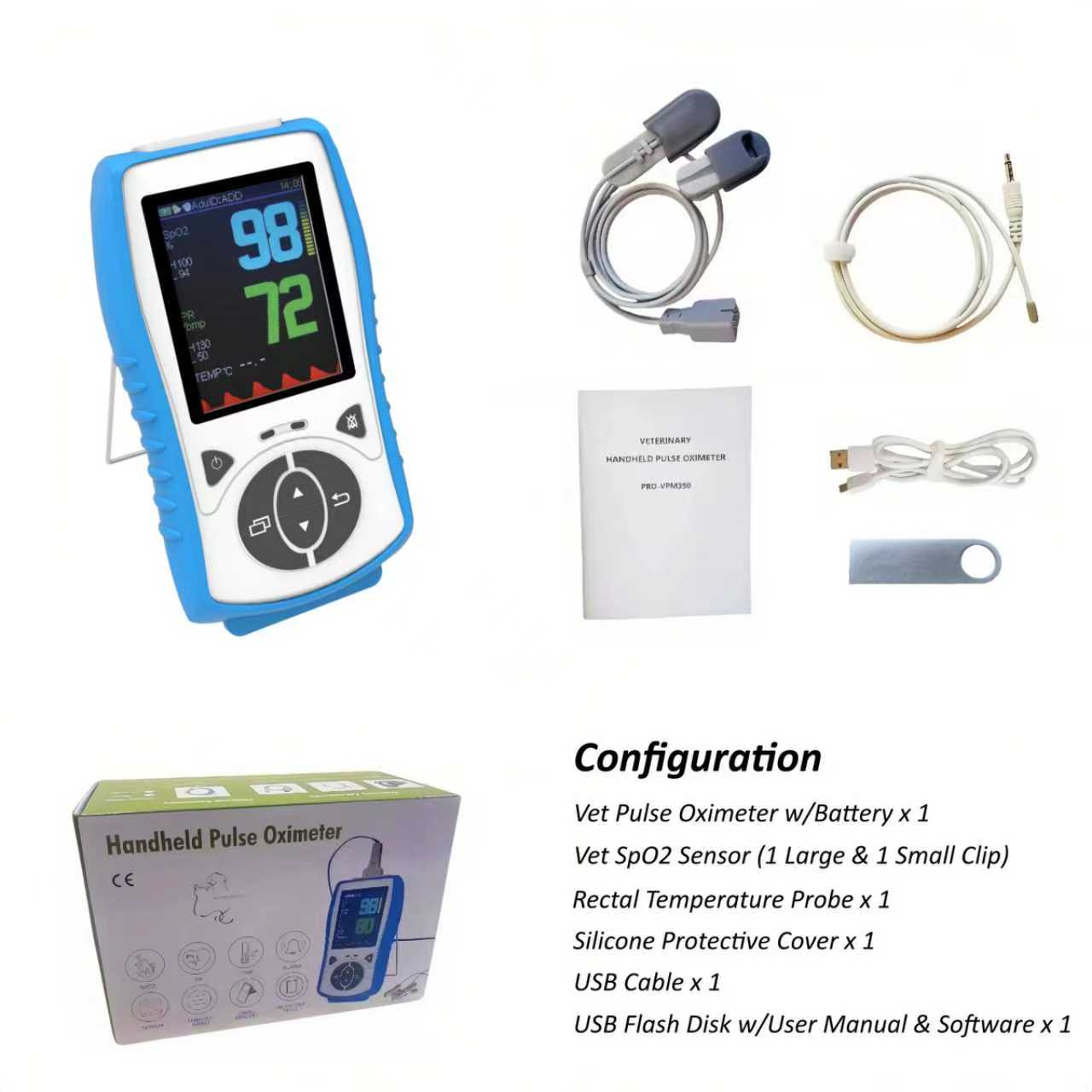
The MG CARE MG-PM350 Handheld Pulse Oximeter is designed with this goal in mind, combining SpO₂, pulse rate, and temperature monitoring into one portable solution for adult, pediatric, and neonatal patients.
Why Monitoring Multiple Vital Signs Is Essential
Monitoring oxygen saturation (SpO₂) has become standard practice in modern medicine because it provides a quick, non-invasive assessment of how effectively oxygen is being delivered throughout the body.
However, oxygen saturation represents only one part of the patient's physiological condition.
For example:
- A decrease in oxygen saturation accompanied by an elevated pulse rate may indicate respiratory distress.
- Fever together with reduced SpO₂ may suggest infection or worsening pulmonary disease.
- Neonatal and pediatric patients often require continuous observation of multiple vital signs because clinical deterioration can occur rapidly.
Monitoring these parameters together provides clinicians with more meaningful information for assessment, early warning, and treatment decisions.
Designed for Everyday Clinical Practice
The MG-PM350 is suitable for a wide variety of healthcare settings, including:
- Hospitals
- Emergency departments
- Outpatient clinics
- Community healthcare centers
- Maternal and child healthcare institutions
- Home healthcare services
Its handheld design makes bedside assessments faster while supporting routine patient monitoring, emergency triage, postoperative recovery, and long-term observation.
Key Features That Support Clinical Efficiency
Comprehensive Vital Sign Monitoring
The device simultaneously measures:
- Oxygen Saturation (SpO₂)
- Pulse Rate (PR)
- Body Temperature
This multi-parameter capability helps clinicians evaluate patient status without switching between multiple monitoring devices.
Clear, Easy-to-Read Display
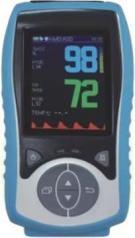
A large 2.8-inch TFT color display presents patient information in a clear format, allowing healthcare professionals to review measurements quickly during routine rounds or emergency care.
Flexible Power for Mobile Monitoring
The MG-PM350 supports both a rechargeable lithium battery and standard AAA alkaline batteries, providing up to 15 hours of continuous operation, making it ideal for mobile clinical workflows.
Intelligent Alarm System
Configurable audible and visual alarms notify clinicians whenever monitored values exceed preset limits, helping support early clinical intervention.
Data Management
The monitor supports long-term data storage, trend review, and PC data upload, making patient information easier to document and analyze over time.
Accessories That Expand Clinical Flexibility
Different patient populations require different monitoring accessories. The MG-PM350 is supplied with dedicated accessories that allow healthcare professionals to adapt the device to various clinical situations. The product catalog identifies these accessories; the functional descriptions below reflect their standard clinical use.
Adult SpO₂ Sensor
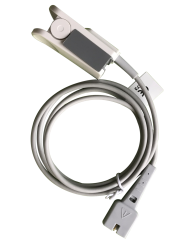
The adult SpO₂ sensor is designed for routine oxygen saturation and pulse rate monitoring in adult patients. It provides stable measurements during bedside observation, outpatient examinations, postoperative recovery, and general ward monitoring.
Typical applications include:
- Medical and surgical wards
- Emergency departments
- Recovery rooms
- Home healthcare
Pediatric SpO₂ Sensor
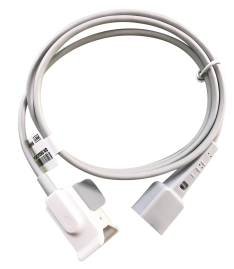
Children have smaller fingers and different physiological characteristics than adults.
The pediatric SpO₂ sensor is specifically designed to provide reliable signal acquisition for pediatric patients while maintaining comfort during monitoring.
Ideal for:
- Pediatric clinics
- Children's hospitals
- Community healthcare
- Long-term observation
Neonatal SpO₂ Sensor
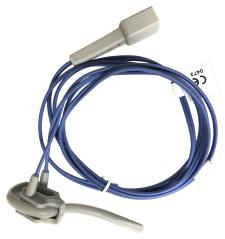
Neonates require highly sensitive monitoring because even small physiological changes can be clinically significant.
The neonatal sensor is designed for newborn patients, supporting continuous SpO₂ and pulse rate monitoring in neonatal intensive care units (NICUs), delivery rooms, and neonatal observation areas.
Common applications include:
- Neonatal intensive care
- Post-delivery monitoring
- Premature infant care
- Maternal and child healthcare institutions
Temperature Probe
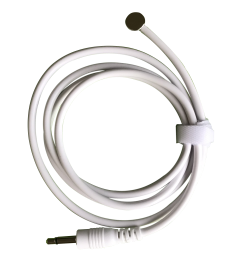
The external temperature probe enables accurate body temperature measurement, allowing clinicians to evaluate another essential vital sign alongside oxygen saturation and pulse rate.
Combining these three parameters supports a more comprehensive assessment of patient condition during routine examinations or emergency care.
Protective Silicone Rubber Shell
Healthcare equipment is frequently transported between patient rooms and clinical departments.
The silicone protective shell helps reduce damage from accidental drops or impacts while improving grip and handling during everyday clinical use.
It also supports infection control by allowing easy cleaning and disinfection according to institutional protocols.
Built Around Real Clinical Workflows
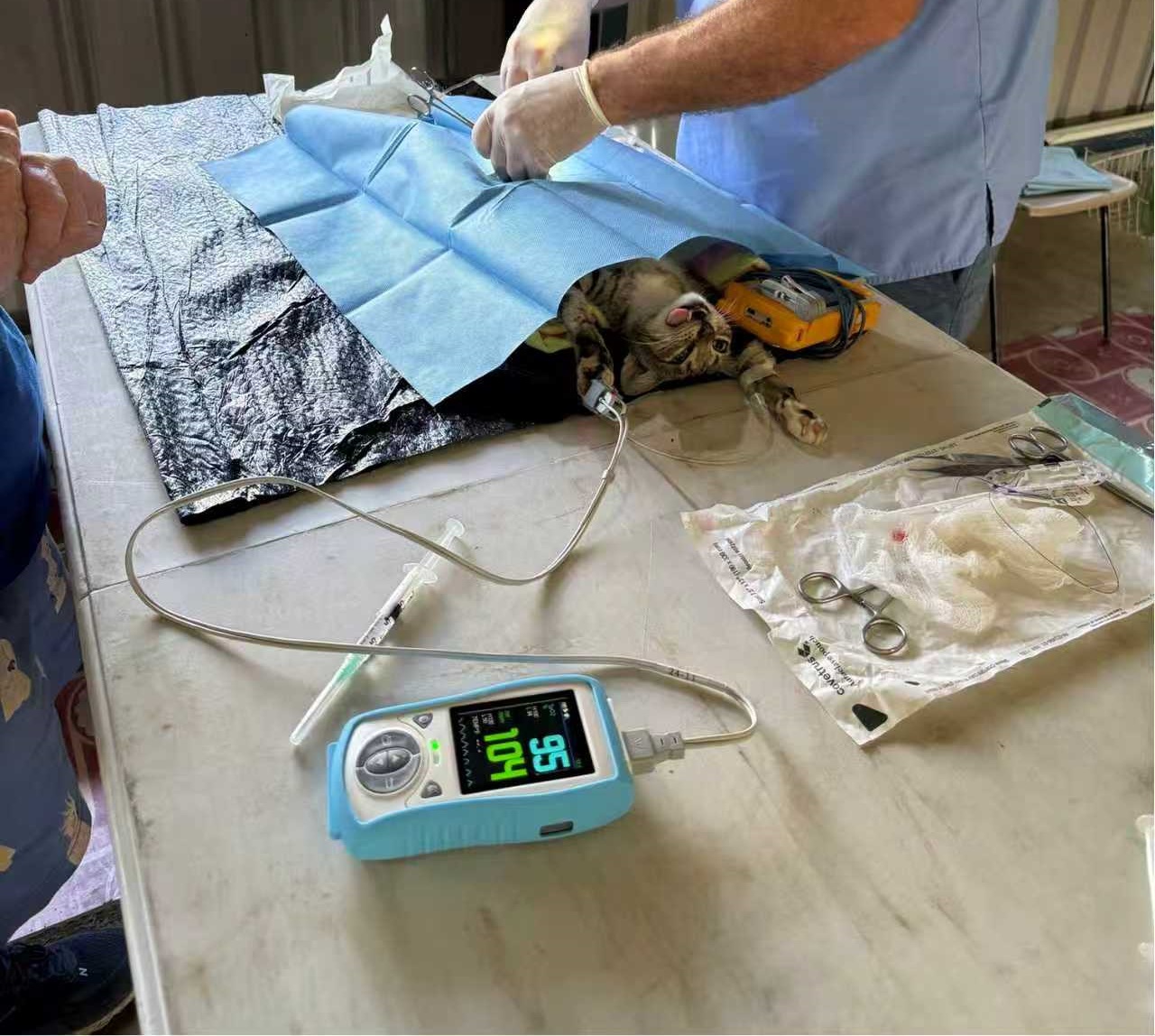
The combination of interchangeable sensors, portable operation, long battery life, intelligent alarms, and integrated data management makes the MG-PM350 well suited for healthcare professionals who require dependable monitoring across multiple care environments.
Whether monitoring a newborn in a maternity ward, assessing an adult patient in the emergency department, performing routine vital sign checks in community healthcare, or even providing rapid, non-invasive health assessments for veterinary patients in animal hospitals, the device offers a practical solution that supports efficient clinical decision-making.
Supporting Better Patient Care Through Reliable Monitoring
As healthcare continues to evolve toward mobility, efficiency, and patient-centered care, portable monitoring devices are becoming indispensable tools for clinicians.
By combining oxygen saturation, pulse rate, and temperature monitoring with patient-specific sensors and intelligent workflow features, the MG CARE MG-PM350 Handheld Pulse Oximeter helps healthcare professionals deliver timely, informed, and reliable patient assessment wherever care is provided.
Reliable monitoring is more than collecting numbers—it is about enabling better clinical decisions, improving patient safety, and supporting quality care across every stage of the healthcare journey.

